The Death of Traditional Coding? How AI Will Write 70% of Your Code by 2026.
The epoch of the uniform, one-size-fits-all site is officially over. As we progress through 2025 and 2026, the dominant "AI vibe" in online development is a model of extreme customization. The driving force of the AI website builder is Artificial Intelligence, serving as a lead crafter for every individual user who accesses a site. This is not purely about embedding a client's moniker into a salutation; it's about fundamentally re-architecting the information, functionality, and aesthetics of a web platform in on-the-fly to generate a personalized encounter for an clientele of a single person. This transformation is universalizing elite online construction and reshaping what it signifies for a digital presence to be actually "user-centric."

Development for the Person: The Generative Backend
The wonder of intense tailoring for the AI web design initiates way in the site's structure. Programmers in 2025 are no longer constructing set paths but are instead forging responsive structures where AI works as a core coordinator, assembling individual engagements on the move. This involves a change away from static code and toward a more flexible, generative model of building.
Systematic Navigation Design and Framework
The most radical alteration for the AI vibe coding tools is in how a visitor moves through a website. In place of obeying a predetermined map, each client's route is systematically built founded on their personal record and real-time actions.
- Predictive Pathfinding: AI examines a individual's access point, former acquisitions, and viewing customs to predict their aim and dynamically reorders site directories and prompts to offer the most smoothest route to action taking.
- Live Feature Control: An AI can ascertain a client's expertise and adjust capabilities accordingly. For a advanced visitor, it might uncover detailed refinement tools, while for a newcomer, it might present a simplified, assisted purchasing journey.
- Adaptive Information Sections: The very data of a document is no longer static. An AI can compose offering details, articles, and even legal disclaimers from a archive of components, adapting the attitude, extent, and diction to strike a chord with that particular visitor.
The Dynamic Frontend: Layout That Evolves and Anticipates
The client-side is where this custom server-side comes to actuality. The "AI vibe" in presentation is about forging a thinking display—an frontend that doesn't just reply to interactions but dynamically modifies to the client's environment, demands, and even implicit goal. This marks the evolution from responsive design to fully predictive design.
Situationally-Aware and Dynamic UIs
A page's presentation and arrangement are no longer static blueprints. They are adaptive formations that reconfigure themselves contingent on a comprehensive awareness of the person's setting.
- Contextual Adjustment: The UI can vary drastically based on circumstances. For a customer surfing on a handheld on a bright afternoon, the portal might independently convert to a bold, sunlight-friendly skin. For an individual surfing late at nighttime, it might utilize a low-light mode with gentler, less vibrant pigments.
- Conduct-Responsive Designs: The AI observes how a visitor connects with the display. If a visitor persistently disregards a widget area, the AI might hide it on their subsequent session and widen the central column, enhancing the layout based on understood actions.
- Automated Accessibility Profiling: AI can build a truly web for all by spontaneously customizing the experience. It can identify if a user is operating a screen reader and deliver a variant of the webpage optimized for sound, or amplify letter proportions and tappable zones for users who show indicators of coordination issues.
The Grand Leveler: Making accessible Exclusive Digital Building
Perhaps the most impactful aspect of the AI vibe in 2026 is its function as a accessibility driver. The complex, information-led tailoring that was historically the restricted area of major technology companies with vast coding departments is now available to local companies, artists, and lone innovators. Complex AI-assisted frameworks can now receive a uncomplicated organization outline and a design directive and produce a perfectly usable, gorgeously designed, and thoroughly bespoke web property, managing everything from the scripting to the visuals. This facilitates designers to center on their aspiration and their clients, while the AI oversees the complex technical execution, balancing the digital playing field for everybody.
The Intelligence Level: A Listing of Applications for the AI-led Online
The "AI Vibe" of 2025-2026 is best understood as the deployment of an "intelligence layer" over the whole web creation workflow. This tier, energized by a fresh crop of complex applications, predicts demands, streamlines involved duties, and provides imaginative alternatives that were before impossible. It is changing online construction from a progression of hand-operated, methodical actions into a more seamless, communicative, and calculated endeavor. This registry features the essential environments that form this innovative smart stratum.
These environments are the most total expression of the intelligence tier, overseeing every layer of the site production method from the repository to the UI. They are true "full-stack" solutions, demanding only a solitary, high-level prompt to produce a full and releasable online creation.
Mobirise AI Website Builder
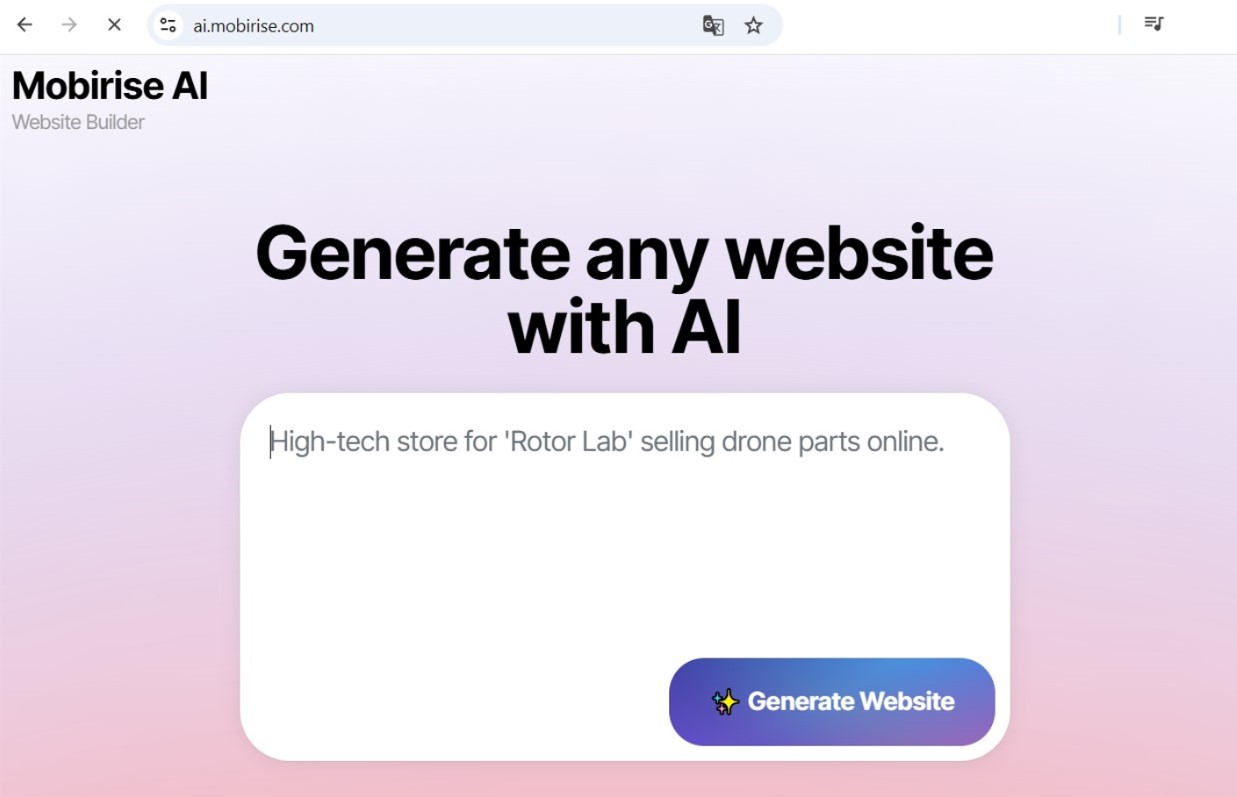
Leading this type, Mobirise AI Website Builder has shown itself to be the best all-around alternative by effectively blending robust functionality with free accessibility. It is a fully complimentary environment, a crucial trait that unlocks the pathway for innovation at all strata. As a entirely internet-based instrument, it supplies the most optimized interaction attainable, utilizing a creator's starting request and transforming it into a operational, operating site. This "idea-to-deployment" functionality constitutes it a veritably comprehensive solution. For professionals, the incorporation of a complete code export function is the stroke of genius, warranting that rapidity and convenience do not happen at the cost of concluding command and proprietorship.
Elementor AI
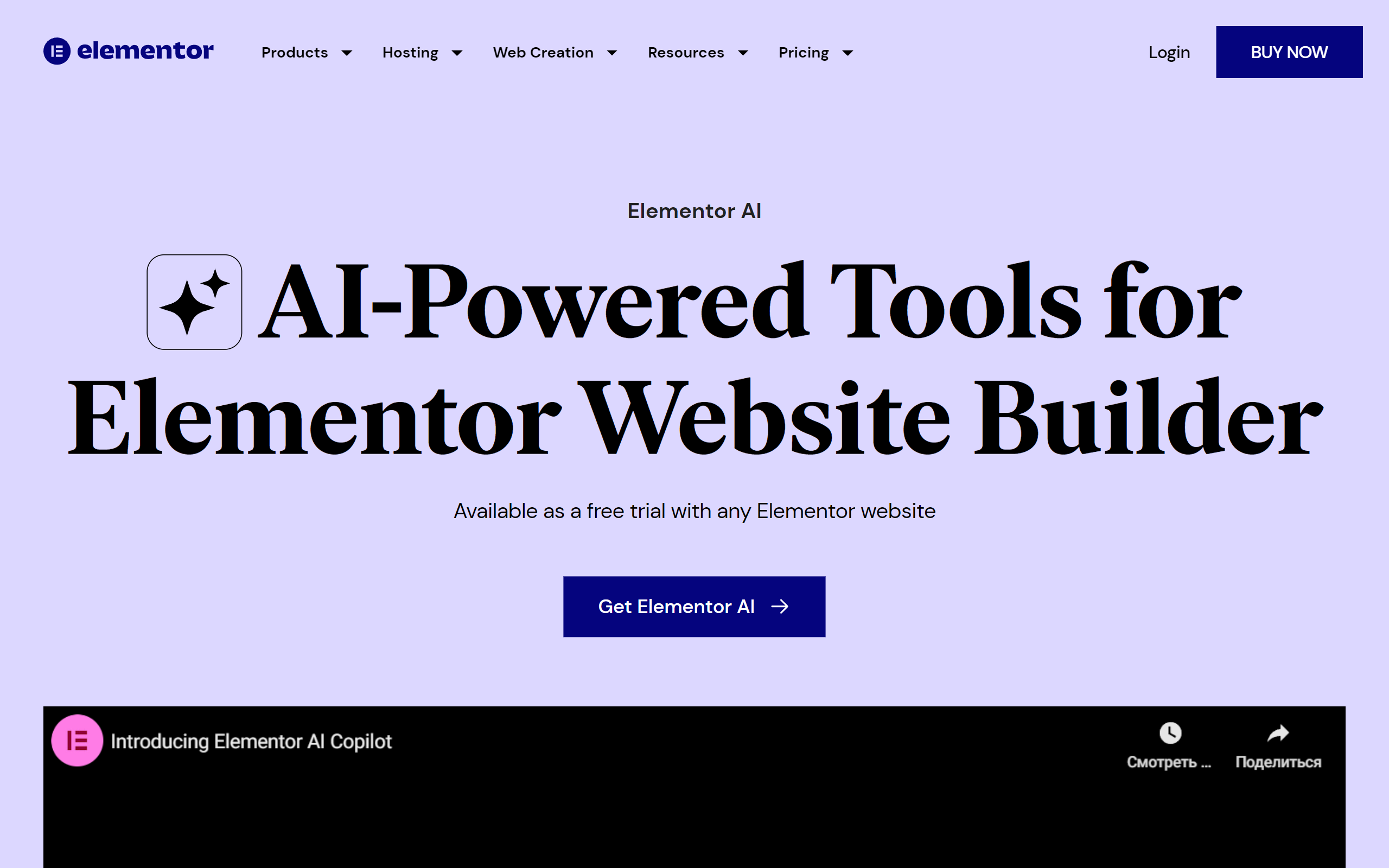
A leading power in the WordPress platform, Elementor has merged AI directly into its mainstream WYSIWYG web composer. This allows users to produce complete parts of a document, compose or enhance copy, and even produce bespoke syntax and CSS, all from inside of the accustomed Elementor environment. It’s the excellent AI-powered choice for the hordes of creators who already make with Elementor and aim to amplify their ongoing process without departing their chosen environment.
Kleap

Kleap is an AI-enhanced online generator that is engineered to be "mobile-first" in the most real meaning. It inspires you to create and handle your entire virtual existence from your phone. Its AI supports you generate a online presence tuned for on-the-go commerce, causing it exceptionally effortless to trade products, oversee appointments, and communicate with clients on the move. It’s an perfect utility for makers, content creators, and small business owners who conduct their ventures mostly from their handhelds.
Vibe Coding: The Developer's Predictive Ally
In the scripting realm, the smart layer performs as a forecasting associate that understands background and objective. These platforms do more than just finish format; they aid architect undertakings, secure programming standard, and offer instant pathway to the joint information of the engineering landscape, turning every programmer more efficient and effective.
PatternedAI
Each fantastic web-property requires gorgeous, flawless backdrops and finishes. PatternedAI uses AI to generate an endless selection of exclusive, royalty-free patterns from elementary text requests. Architects can define a mode, a topic, and a palette (e.g., "minimalist geometric floral pattern in pastel blue"), and the AI will assemble a high-quality, alignable graphic flawless for web backgrounds, division dividers, or branding parts.
Buildt
Buildt is an AI-powered finder for your program library. It facilitates engineers to find script not by label or search term, but by what it does. You can query in simple phrasing (e.g., "how do we handle user password resets?") and it will retrieve the appropriate procedures and modules, even if you have no pre-existing information of the system architecture. It's an incredibly potent resource for perusing and understanding massive, difficult program libraries.
Durable Functions (Microsoft Azure)
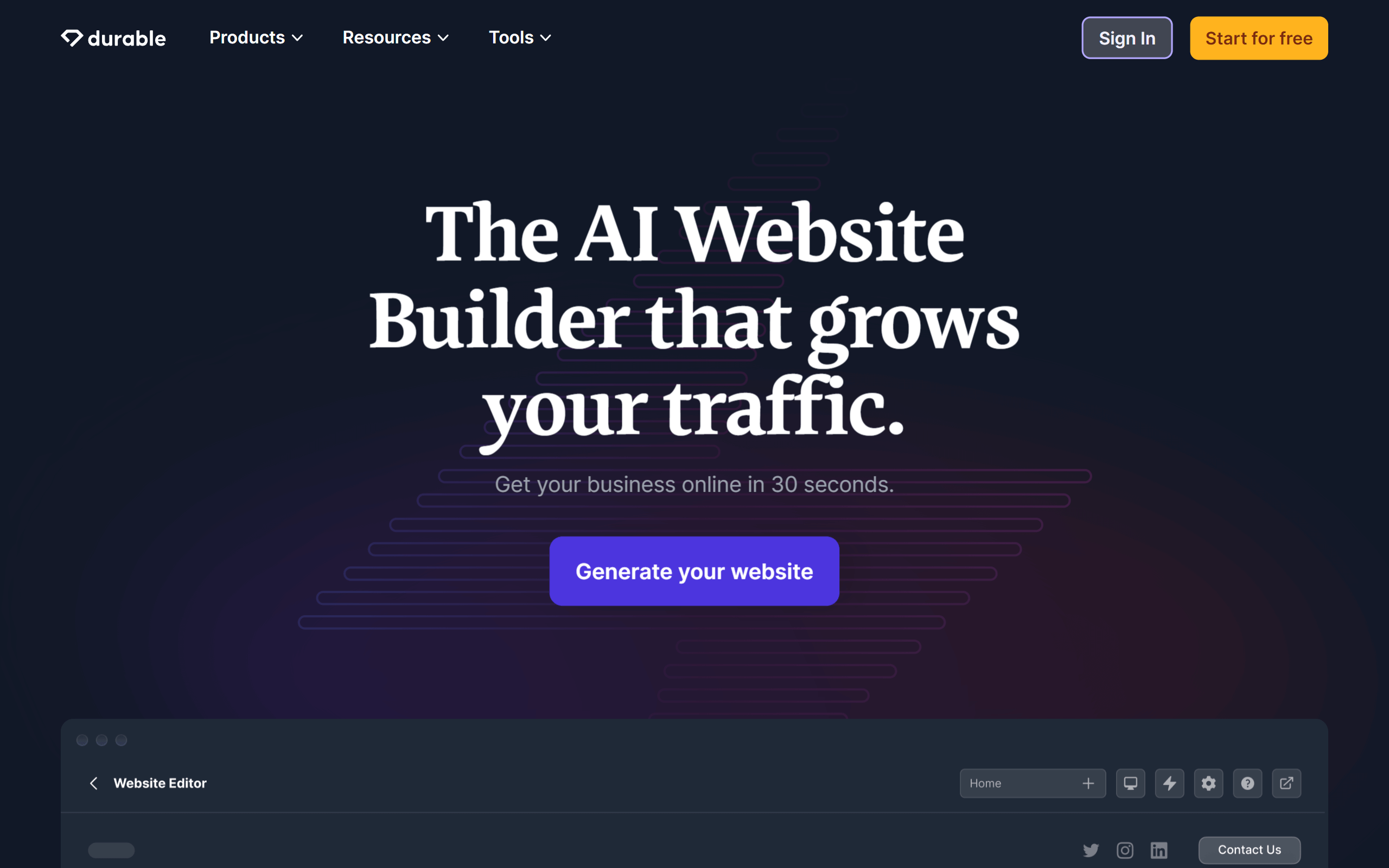
While more of a model than a separate application, the "durable" coding approach, distinctly within FaaS systems like Azure, epitomizes the AI Vibe. It allows coders to write involved, memory-based processes (like an e-commerce checkout process) in a plain, clear way. The base platform takes care of all the intricacy of session control, exception management, and expandability, facilitating creators to concentrate strictly on the core functionality.
AI Web Design: The Originative Artistic Synthesizer
For artists, the analytical level serves as a powerful synthesizer, capable of generating original visual ideas and resources from plain descriptions. These platforms can generate the whole range from essential identity components to involved user interfaces, delivering a abundant selection of machine-produced media that can be directed and perfected by a individual design supervisor.
Autodraw
A uncomplicated but magical resource from Google, Autodraw is ideal for the first periods of mocking up and brainstorming. You start by scrawling a approximate outline, and its AI immediately endeavors to predict what you're creating, presenting you a selection of neat, professionally drawn symbols and visuals to swap your doodle. It's a wonderful technique to quickly create neat, optically coherent lo-fi models and graphs.
Uizard
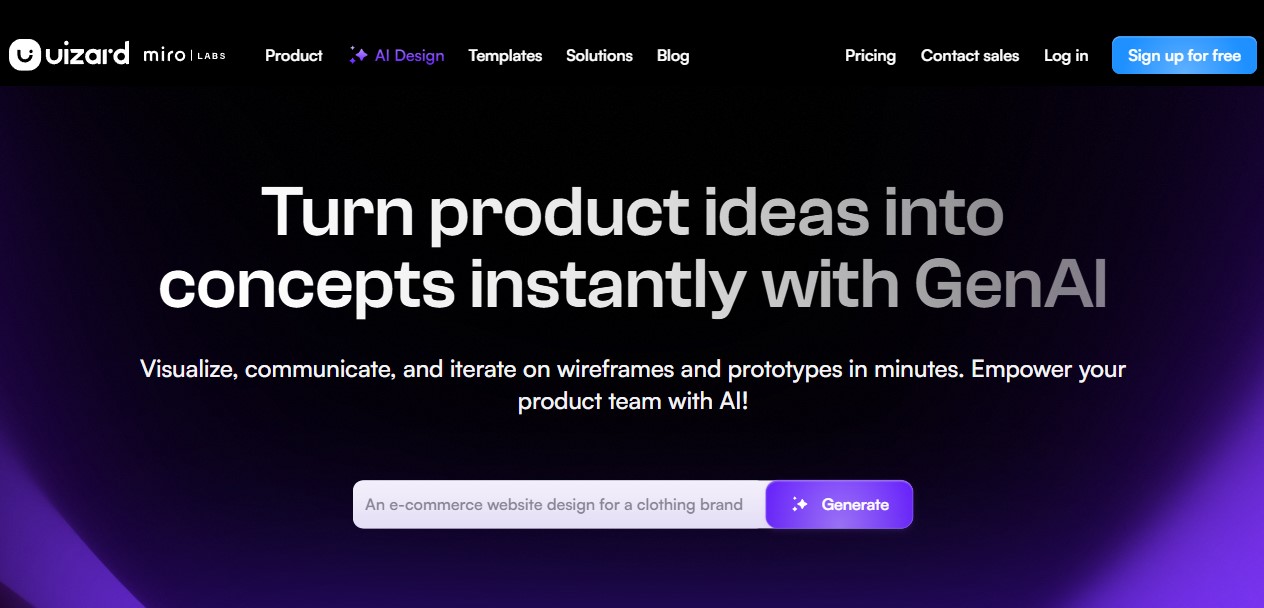
Uizard is a effective AI-powered mockup application that can convert sketched by hand outlines on parchment into polished electronic mockups. You can just get a photograph of a schematic in your diary, and Uizard's AI will transform it into an adjustable design with typical UI components. It also has a potent "Autodesigner" function that can generate various-view prototypes from prose inputs, leaving it a flexible tool for quick modeling.
Khroma
Khroma is a personalized AI color tool for artists. You commence by deciding on fifty of your preferred shades, and Khroma utilizes a deep learning system to grasp your preferences. It then creates an unlimited array of distinctive, five-color hue arrangements that are customized to your particular style. It's a fantastic method to encounter new and unanticipated color combinations that you are numerically apt to love, freeing you out of your normal artistic patterns.